
Beyond Human Design

The way we work is evolving fast. Offices are no longer static environments—they need to flex and adapt to how people actually work today, bouncing between remote and in-person setups. So the big question for architects and interior designers becomes:
How do we create spaces that are functional, flexible, and built to support real productivity?
The answer lies in technology, which is opening up new design possibilities—helping us rethink how space is used while improving the overall work experience.
Hybrid Work Is Here to Stay—And Design Needs to Catch Up
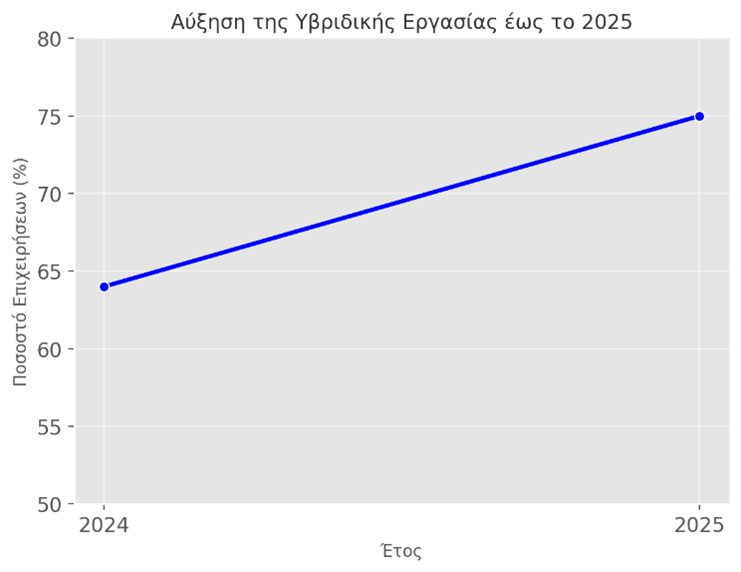
Right now, 64% of companies have already adopted hybrid work models. By 2025, that number is expected to jump to over 75%. Flexibility isn’t just a perk anymore—it’s a core need. And that need is reshaping the way we think about office design.
Today’s spaces have to support both heads-down focus and collaborative teamwork, all while being adaptable to constantly shifting usage patterns.
One of the biggest challenges? Space optimization.
If people aren’t coming into the office every day, how do we make sure that desks, meeting rooms, and shared areas aren’t sitting unused? That’s where data comes in. It allows designers to build responsive environments that adjust to real usage—making every square meter work smarter and delivering a better experience for everyone.
Pushing Design Forward with Tech
Top architecture firms like Zaha Hadid Architects, Gensler, and Foster + Partners are already embracing cutting-edge tools to address modern workplace needs.
Zaha Hadid Architects focuses on personalized, dynamic environments—using data modeling to fine-tune how space is used.
Gensler leverages tracking and data analytics to design spaces around real employee behaviors. By studying usage patterns, they’ve improved workspace efficiency by 30%.
Foster + Partners is making sustainability a top priority, reducing energy use by 20% through smart lighting and ventilation systems.
These methods are paving the way for more adaptive and sustainable offices—places that shift with employee needs, instead of the other way around.
When Tech Meets Creativity
Technology doesn’t replace the designer’s creativity—it enhances it. Today’s design tools can analyze lighting, acoustics, and even help select sustainable materials. Plus, they let architects experiment with layouts in a fraction of the time it used to take.
That means more room to explore ideas and a better ability to visualize how people will actually interact with a space—using 3D models and simulations to bring concepts to life before a single wall is built.
Designing the Future Workplace
The next big leap in workplace design? Integrating data into every step of decision-making.
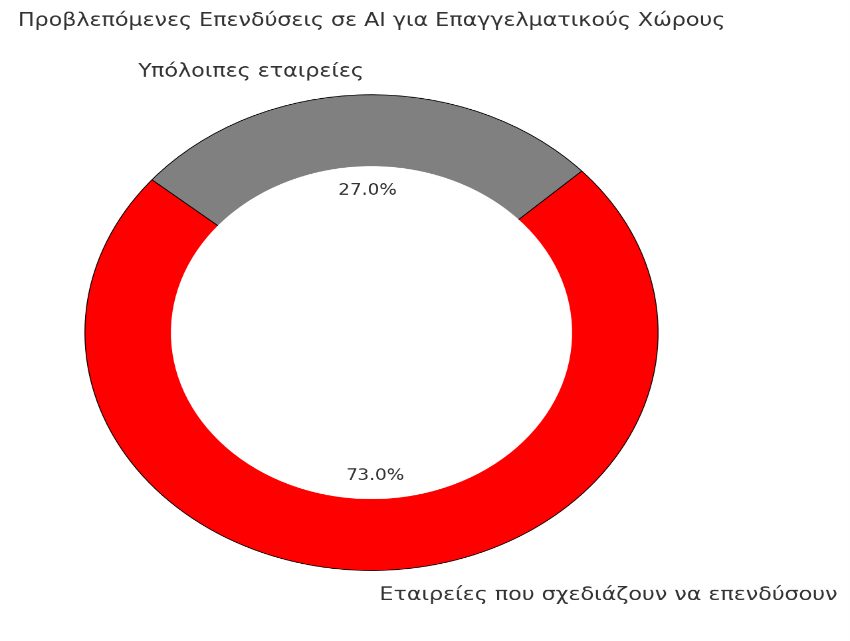
Roughly 73% of companies are planning to invest in technologies aimed at improving the employee experience—from automated desk booking to smart systems that monitor air quality and lighting.
At inmind, we combine technology and architectural design to build spaces that are flexible, efficient, and sustainable.
The workplaces of the future aren’t just beautiful—they’re smart, thoughtful, and built around the people who use them every day.