Author: Iro Nika

Mind Reading

What if the workplace could “read” your mind? If it knew when to give you complete silence for focus and when to activate your senses to spark creativity?

In a world where attention is now a rare commodity and fatigue feels like the norm, workplace design is entering a new era. Companies are investing not only in ergonomics and flexibility, but in something much more subtle: the way space affects the human mind.

It is no longer enough for a space to be “beautiful.” It must be intelligent. It must “read” the worker’s need and adapt. To go quiet when concentration is required. To come alive when creativity is needed. This is where the idea of sensory isolation and enrichment zones is born — an approach inspired by neuroscience and already implemented by the boldest workplace architects.

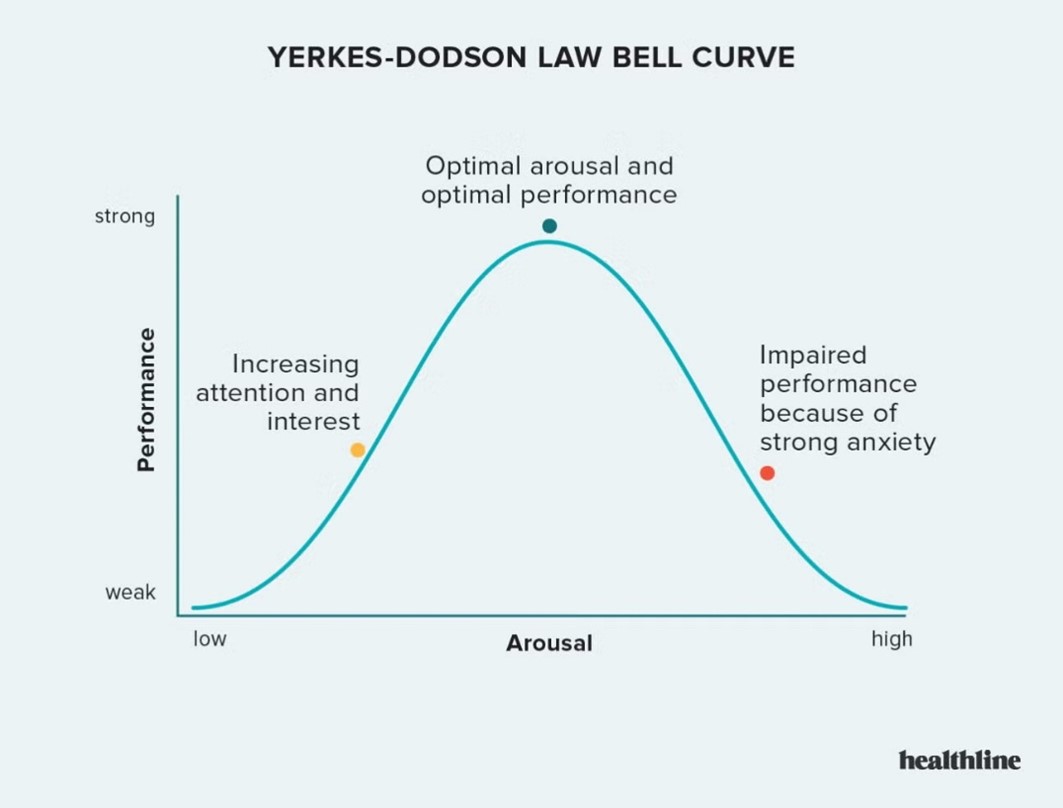
The theory is simple yet powerful. The human brain performs best when it’s in the “sweet spot” of stimulation — not too quiet, not too intense. The so-called Yerkes-Dodson curve, which describes this relationship between stimuli and performance, is now a key tool for those who design with function at the core, not just aesthetics.


Within this context, isolation zones act like mental sanctuaries. Calm spaces with soft lighting, neutral textures, free of visual “noise” or auditory distractions. Not for rest, but for deep focus. This is where difficult texts are written, complex decisions made, strategies built. They don’t look like meeting rooms or video call booths. They feel more like… a library. Or better yet: a room that knows how to stay quiet.

On the other hand, there are moments when what’s needed is not calm, but stimulation. That’s precisely why enrichment zones were created: to activate the senses when creativity needs a boost. Wall projections, dynamic lighting, unexpected colors, artistic interventions. A space that doesn’t let you think the same old way. It changes the setting. And therefore, changes your thinking.

In research centers like MIT, such approaches have been studied with impressive results. The Mediated Atmospheres project showed that employees in environments inspired by natural or social scenes — like a forest or a café — demonstrated improved focus and faster mental recovery. The space acted as an ally. Not as a backdrop.

It’s worth noting that these zones don’t require major renovations or high costs. They can be small corners within a broader open space. A booth with proper lighting. A room with adjustable elements. It’s not the square meters that matter. It’s the intent and precision of the design.

Architects who adopt this mindset aren’t just designing for today’s functionality. They’re creating environments that respect the mental and emotional rhythm of the user. They show their clients that caring about performance isn’t just about KPIs. It’s about space.

And ultimately, that’s the greatest competitive advantage. A space that isn’t just beautiful or technologically advanced — but human, adaptive, and emotionally intelligent.

At inmind, we believe that design should not “shout.” It should understand. That’s why we incorporate such solutions into the spaces we design. Because when space works for people, people work better.


inmind
Redefining Workspaces


Sources

  1. Yerkes, R. M., & Dodson, J. D. (1908). The relation of strength of stimulus to rapidity of habit-formation. Journal of Comparative Neurology and Psychology, 18(5), 459–482.
  2. Zhao, J. (2021). Where is remote work happening? MIT Urban Mobility Lab. Retrieved from https://mobility.mit.edu
  3. MIT Media Lab. (2019). Mediated Atmospheres: Environments that Adapt to You. Retrieved from https://news.mit.edu
  4. Taylor, R. P., Spehar, B., Van Donkelaar, P., & Hagerhall, C. M. (2011). Perceptual and physiological responses to Jackson Pollock’s fractals. Frontiers in Human Neuroscience, 5, 60.
  5. Work Design Magazine. (2022). Designing for Focus in Hybrid Workspaces. Retrieved from https://www.workdesign.com
  6. Deterding, S., Dixon, D., Khaled, R., & Nacke, L. (2011). From game design elements to gamefulness: defining gamification. Proceedings of the 15th International Academic MindTrek Conference.

Beyond Human Design

The way we work is evolving fast. Offices are no longer static environments—they need to flex and adapt to how people actually work today, bouncing between remote and in-person setups. So the big question for architects and interior designers becomes:
How do we create spaces that are functional, flexible, and built to support real productivity?
The answer lies in technology, which is opening up new design possibilities—helping us rethink how space is used while improving the overall work experience.

Hybrid Work Is Here to Stay—And Design Needs to Catch Up

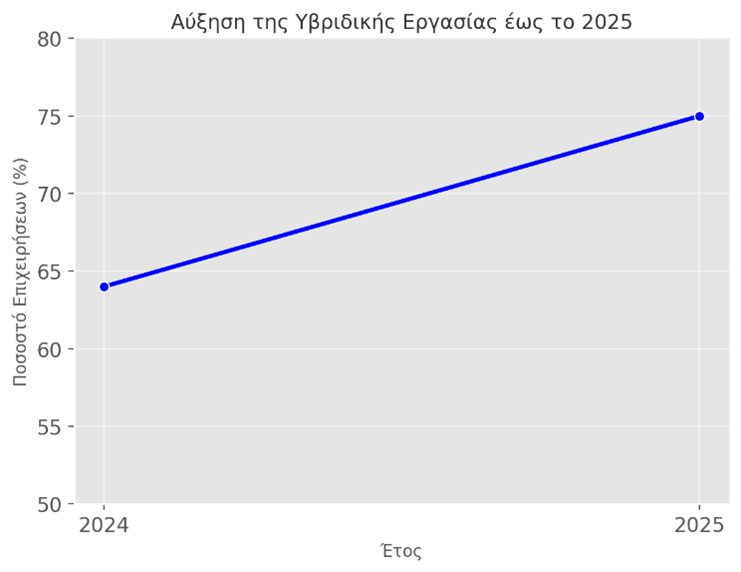
Right now, 64% of companies have already adopted hybrid work models. By 2025, that number is expected to jump to over 75%. Flexibility isn’t just a perk anymore—it’s a core need. And that need is reshaping the way we think about office design.

Today’s spaces have to support both heads-down focus and collaborative teamwork, all while being adaptable to constantly shifting usage patterns.

One of the biggest challenges? Space optimization.
If people aren’t coming into the office every day, how do we make sure that desks, meeting rooms, and shared areas aren’t sitting unused? That’s where data comes in. It allows designers to build responsive environments that adjust to real usage—making every square meter work smarter and delivering a better experience for everyone.

Pushing Design Forward with Tech

Top architecture firms like Zaha Hadid Architects, Gensler, and Foster + Partners are already embracing cutting-edge tools to address modern workplace needs.

Zaha Hadid Architects focuses on personalized, dynamic environments—using data modeling to fine-tune how space is used.

Gensler leverages tracking and data analytics to design spaces around real employee behaviors. By studying usage patterns, they’ve improved workspace efficiency by 30%.

Foster + Partners is making sustainability a top priority, reducing energy use by 20% through smart lighting and ventilation systems.
These methods are paving the way for more adaptive and sustainable offices—places that shift with employee needs, instead of the other way around.

When Tech Meets Creativity

Technology doesn’t replace the designer’s creativity—it enhances it. Today’s design tools can analyze lighting, acoustics, and even help select sustainable materials. Plus, they let architects experiment with layouts in a fraction of the time it used to take.

That means more room to explore ideas and a better ability to visualize how people will actually interact with a space—using 3D models and simulations to bring concepts to life before a single wall is built.

Designing the Future Workplace

The next big leap in workplace design? Integrating data into every step of decision-making.

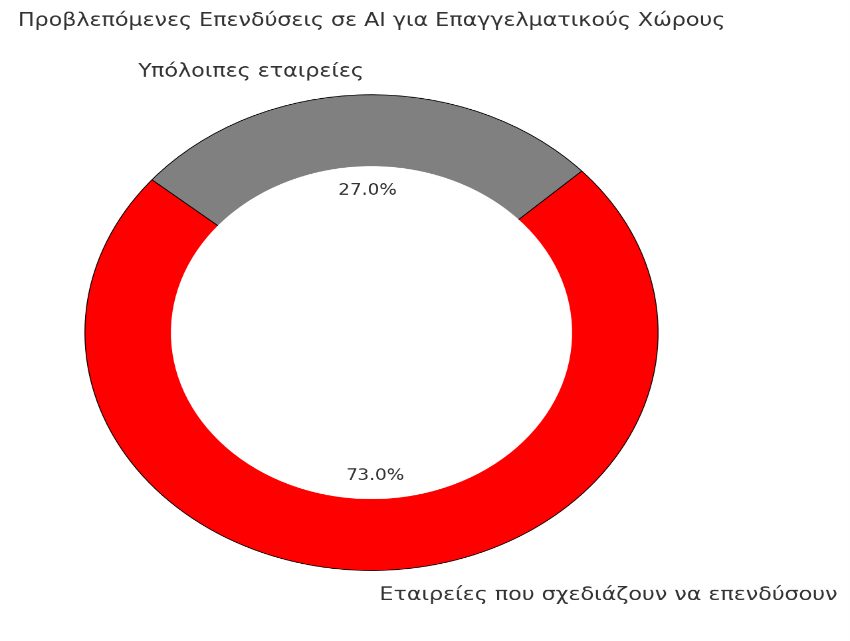
Roughly 73% of companies are planning to invest in technologies aimed at improving the employee experience—from automated desk booking to smart systems that monitor air quality and lighting.

At inmind, we combine technology and architectural design to build spaces that are flexible, efficient, and sustainable.
The workplaces of the future aren’t just beautiful—they’re smart, thoughtful, and built around the people who use them every day.

Alhambra & Palma: New collections by 2tec2

Explore the newest woven flooring collections Alhambra & Palma. Celebrating the beauty and diversity of our world, these collections invite you to create spaces that inspire, uplift and delight. Both designs are available in 10 colours.

With Alhambra & Palma, 2TEC2 embraces the current trend for more visually stimulating interior design. Playing with unique patterns and captivating colours, these collections are the perfect match for your hospitality projects or creative workspaces.

Alhambra: Inspired by the refined expression of beauty and emotion of the well-known Moorish Alhambra palace, this pattern plays hide and seek with intricate mosaics and vegetal motifs.

Palma: Embrace the serene oasis of palm tree leaves beneath your feet and let their gentle sway evoke a feeling of relaxation and sophistication.

Alhambra & Palma are Bio-based collections. The compound formulation to make the PVC pellets (of which our vinyl yarns are made) contains 45% renewable plant-based carbon. This reduces the use of virgin fossil-based carbon, bringing us one step closer to a greener planet.

Milani presents Cocoon

Designed by Giovanni Ingignoli, Cocoon provides comfort and privacy, combined with technology.

Thanks to the asymmetrical armrest design, the right-hand side of the chair can be fitted with an integrated storage tray that accommodates LED light, wireless connections, USB ports, induction charging and a swivel table, which can be turned into a bookrest.